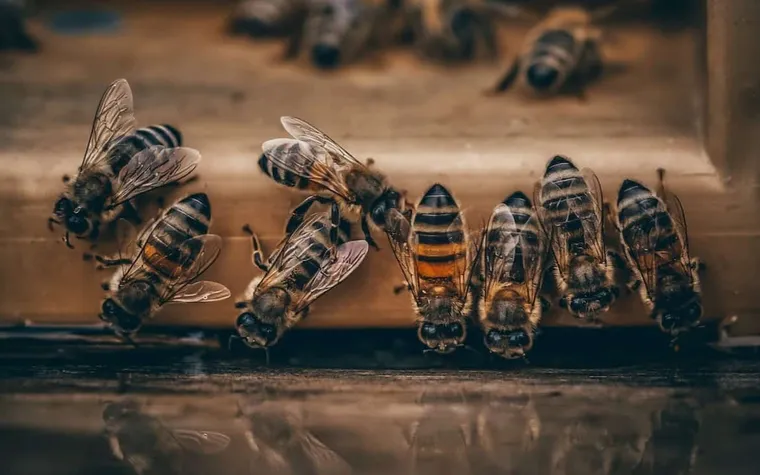
Are you struggling to get that (varroa) mite count down? Then, it’s time you get an oxalic acid vaporizer.
Nature is quite adept at solving natural problems. After compounding the mite problem with synthetic miticides, it is no surprise that we are back to nature.
Oxalic acid is a compound that naturally occurs in vegetables such as spinach and radish. Commercially, it acts as a wood-bleaching agent. Now, the E.P.A. has authorized its use as an effective miticide. We also find trace amounts in honey; hence, it is safe to use in a hive.
Beekeepers all over the country are using oxalic acid to save their colonies from the Varroa mite.


Before we get to your options, let’s deal with the basics.
What is an Oxalic Acid Vaporizer?
An oxalic acid vaporizer is a tool used to turn oxalic acid crystals into vapor. This vapor then quickly condenses to form tiny fine crystals that coat the interior surfaces of the hive, as well as cover the bees.
The bees help with the vapor dispersion by fanning it away, allowing it to spread throughout the colony.
When the mites come in contact with these crystals, they die. The bees are unharmed by this process, while the mortality rate of the mites is over 90%.
It only works on phoretic mites, those hitching a ride on adult bees inside the hive and walking around on the surface. Those enclosed in capped cells remain unscathed.
Most beekeepers will treat their hives when the colony has little to no brood. Alternatively, they have to repeat the treatments weekly for at least three weeks to expose emerging mites to the acid.

What Should You Look for When Buying a Vaporizer?
Durability
When checking reviews online, I’ve noticed that people who give the lowest rating have a complaint about the product either falling apart or breaking down when it’s still new. It is not a disposable product. It shouldn’t behave like one.
Heating Time
Most vaporizers are attached to a battery. Once the oxalic acid has vaporized, the beekeeper turns off the vaporizer by disconnecting the clips from the car battery. Once it has cooled further, it is removed from the hive, and then the process is repeated.
The ability to heat oxalic acid quickly but efficiently will save you time as a beekeeper.
Cord Length
Your oxalic acid vaporizer will be powered by either a car battery or a lawnmower battery. These are not the heaviest objects, but they can be cumbersome if you have to keep moving them.
If your cord is long enough, you can treat several hives without moving the battery, which means less work for you.
Temperature Range
Very few oxalic acid vaporizers have a temperature gauge or regulator. Even though the absence of one isn’t a deal-breaker, it is a great asset.
If the vaporizer gets too hot too fast, it can cause the oxalic acid to degrade rather than fully sublimate. That reduces the effectiveness of the vaporization of oxalic acid.
The Best Oxalic Acid Vaporizers for Beekeepers
A quick note before the picks: we regularly re-check every product we recommend. Two vaporizers we previously featured have since disappeared from the market, and frankly, most of what’s left doesn’t meet our bar — the typical no-name 12V unit sits below 4 stars with recurring complaints about melting wires and incomplete vaporization. Rather than pad this list, we’ve trimmed it to what’s actually worth your money.
Our Top Pick
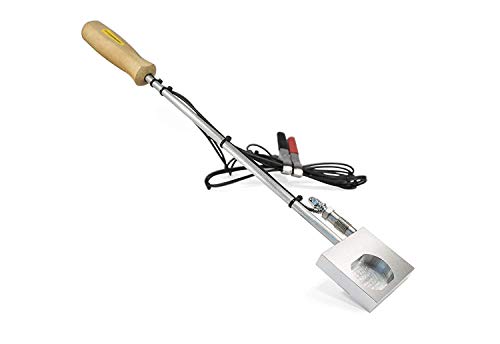
The Varomorus is the best-reviewed oxalic acid vaporizer on Amazon by a wide margin — over 1,100 ratings, and it has held a strong average for years while competitors come and go. It’s made by a small business that offers heating-element replacement support for two years after purchase.
The heating plate is aircraft-grade 6061 aluminum with excellent thermal conductivity. Hook it to any 12V battery (car, tractor, lawnmower), and it reaches working temperature in about 2–3 minutes; plan on roughly five minutes per hive for a full treatment. The 55-inch cord lets you reach several hives without dragging the battery around.
Two tips from long-term owners: disconnect the power as soon as the acid has vaporized — leaving it connected can burn out the glow plug (a standard, cheap-to-replace auto part) — and use a battery with enough capacity (a small 7Ah battery struggles; 9Ah+ works consistently).
Premium Option — With Caveats
This one earns its place for a single feature most vaporizers lack: constant temperature control. It heats to about 240°C and holds there — right in the sweet spot where oxalic acid sublimates without decomposing — with a red/blue indicator light telling you when it’s ready. The pot and vapor tube are copper, the body is stainless steel with a wooden handle, and the lid latches down properly instead of popping off under pressure.
But we’d be doing you a disservice if we stopped there: about one in four buyers report problems, most commonly a vapor tube that clogs mid-treatment and slow heat-up times (some units take 12–15 minutes). Experienced owners work around this by preheating thoroughly and keeping a small torch handy to clear crystallized acid from the tube — several say that with that routine it delivers the cleanest vapor they’ve used.
At roughly 2.5× the price of our top pick, buy it only if temperature control matters to you and you’re comfortable with that maintenance routine. Everyone else should get the Varomorus.
How to Use an Oxalic Acid Vaporizer to Treat Honeybee Colonies?
We found this fantastic video by St. Isidore’s farm. Check it out!
By the way - they use this Oxalic Acid for the vaporization.
Frequently Asked Questions
What is oxalic acid used for?
Oxalic acid is useful to treat varroa mites but also to clean equipment. Its strong acidic properties make it an effective cleaner for removing rust, stains, and mineral deposits from various surfaces.
By the way, it is also used in the textile industry for dyeing and printing fabrics.
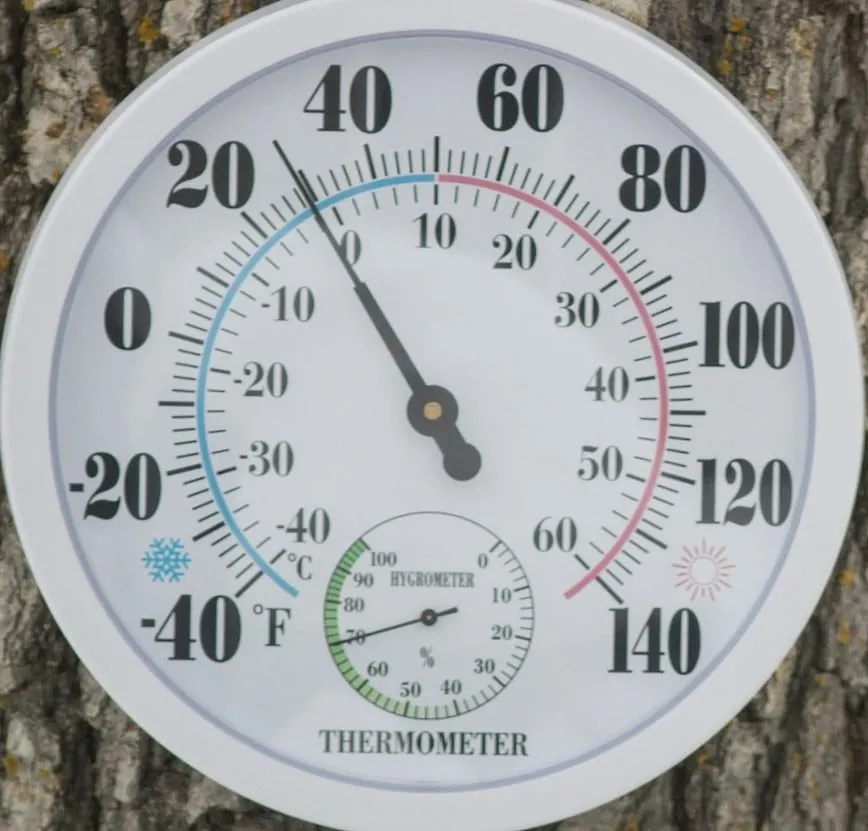
At what temperature does oxalic acid vaporize?
Oxalic acid will turn into vapor at around 310-320° F. Beyond 360-380°; however, it will start to decompose into carbon monoxide and formic acid.
Is oxalic acid harmful to humans?
Oxalic acid can be harmful to humans if ingested or inhaled in large amounts. It can cause irritation and burning sensations in the mouth, throat, and stomach. In severe cases, it can lead to kidney damage and other health problems.
However, small amounts of oxalic acid are found in many foods (e.g., leafy greens, vegetables, fruits, cocoa, nuts, and seeds) and are generally considered safe.
What is the best time to use oxalic acid to treat bee hives?
When your honey bee hive has no or very little sealed brood, then it is the best time to treat your hives with oxalic acid.
The application of oxalic acid on hives with a capped brood would have no effect. The benefits of oxalic acid would not redound to capped broods as the acid would not be able to penetrate them. Mites in these capped broods would survive.
What are other ways of applying oxalic acid to a hive?
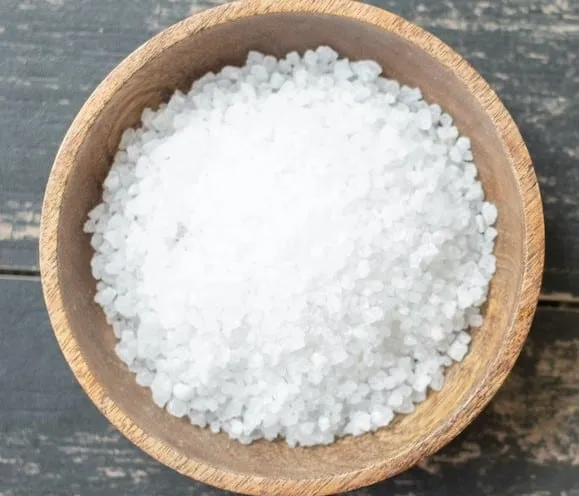
Besides using an oxalic acid vaporizer, there are other ways of applying mite treatment to your hives.
The most common methods that most of our beekeeping friends resort to are the Oxalic Acid Dribble Method and the Spraying Package Method (with an oxalic acid vaporizer).
Final Thoughts
If you haven’t already tried it, using a vaporizer is a safe and effective way to combat varroa mites in your bee hive.
As with other items we use in our hives, read the safety equipment manual. Please take the time to read through them and understand how the vaporizer works. It would definitely help you get a positive experience and save your bees.
When was the last time you did your bees a favor? Well, here’s your chance.
Thanks, this helped me make my choice.
Happy to hear, Lynn!
"If you haven’t already tried it, using a vaporizer is a safe and effective way to combat varroa", should be qualified....It is safe for the Bees....not safe for humans who get careless....Don't even sniff a whiff of the gas...It can be very harmful...Be careful to the nth power....Set the vaporizer and back away 'til it is done...Stay downwind....Don't do it in windy days....
OR...buy an organic acid respirator, rubber gloves and goggles.
Testing the temperature in the sublimating chamber seems to be missing from every review, here and elsewhere.