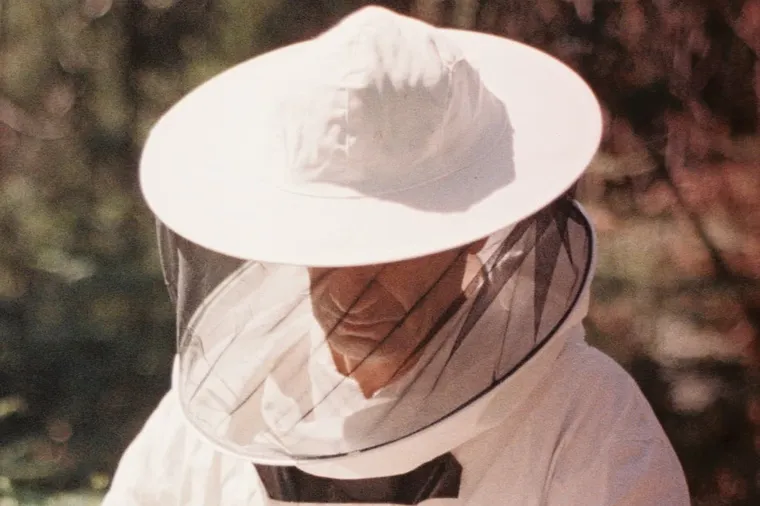
Beekeeping scares many individuals because of the risk of getting stung by bees. It is okay to be scared of bee stings. You are human.
Nevertheless, innovation has transformed beekeeping. There is no need to be worried about the sting of bees anymore. With the right beekeeping hats and veils, you can check and harvest your beehive without panicking.
Are you looking for full-body beekeeping suits instead? Check out our post on the best beekeeping suits here.
What is a Beekeeping Veil?
Usually, bees are not harmful. These insects only react to any change in their surroundings. Such changes can be any change of smell or movement, making them respond in a defensive manner. Bees can respond aggressively to these changes and attack anyone close to them. This makes a bee jacket with a veil an important gear for beekeeping.
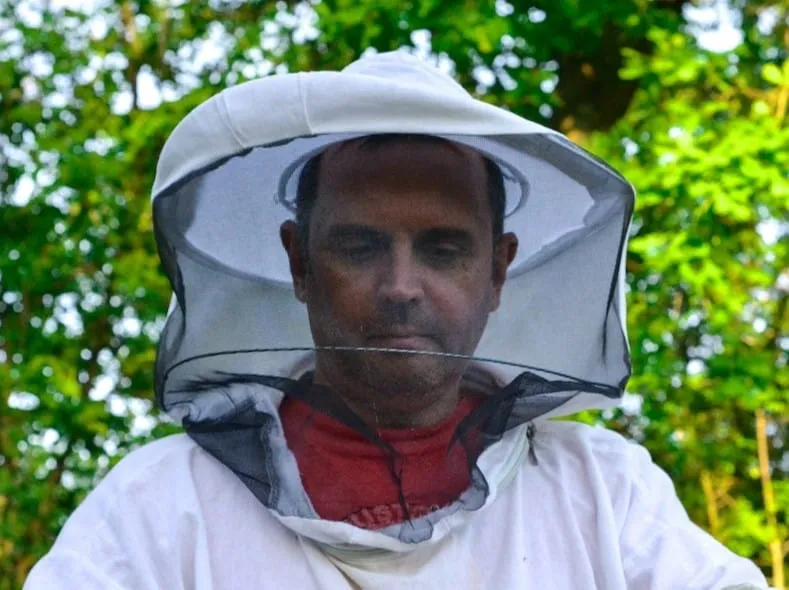
Beekeeping veils are just one of the pieces of protective equipment worn by beekeepers when they are working with bees. They are usually made with wire mesh or fine fabric.
It is an essential part of a beekeeping suit because it stops bees from stinging your face. Basically, a bee hat and veil protect your head and neck from bee stings. Veils can be adjusted with strings to make them fit.
Beekeeping veils are not the same in terms of their shapes, forms, models, and designs. Unfortunately, this implies that you have so many types of veils to choose from, and that can be confusing.
Below, I will discuss the best beekeeping veils that can keep beekeepers safe from getting stung by their bees. Ensure that you choose the bee hat and veil that will meet your beekeeping needs.
What Makes a Good Beekeeping Veil?
There are three major styles for beekeeping veils. These include the folding veil, round veil, and fencing veil.
The factors you need to consider before buying a bee veil that will suit you include the affordability, durability, screening, visibility, and comfort of the beekeeping veil.
Ideally, a good veil should protect you and suit your needs. It should also last long, have good visibility and screening, and it should be affordable.
Here is a list of the best beekeeping veils beekeepers should check out to protect themselves.
Our Top Pick
Humble Bee 210 Polycotton Beekeeping Veil with Round Hat
See on Amazon
Runner-up
Humble Bee 220 Ultravent Beekeeping Veil with Round Hat
See on Amazon
Also Great

Budget Pick
AukBeeFun Bee Veil Hat Beekeeping Veil Hat with High Visibility Veil and Long Elastic Shoulder Strap
See on Amazon
How to Put on a Bee Veil
Putting on a beekeeping bee hat and veil might seem difficult, especially for beginners, but I will make it easy for you.
You just have to follow the following step-by-step guide:
- Handle the bottom of the beekeeping veil with both hands, then put the hat and the veil on your head.
- Ensure that the two strings of the veil are hanging at your back. Grab the strings with each of your hands and pull down the strings to move the veil over the neck to your bee jacket.
- After that, pull down the strings below both arms and join the strings together with the plastic loop of the veil. The plastic loop should be in front of your chest.
- Make the veil spread on the front of your beekeeping jacket by pulling down the strings.
- Draw the strings close to your neck and cross them behind your back.
- Lastly, move the strings forward through your arms to the front part of your body and form a bow with the strings. Now, you can say Hi to your lovely bees.
Make your Own Beekeeping Veil
The materials you need to make a beekeeping veil include a thin black elastic band, a black tulle with small holes, a pack of half-an-inch bias tape, four feet of cotton string to tie the veil together on the neck, and a big-rim hat.
All these materials should be available at the hardware store near you.
To make the beekeeping veil, follow these steps:
1.) Measure the perimeter of the hat rim and add a maximum of two inches. This is the width needed for the black tulle, it is normally between the range of 40-45 inches. Ensure that the length of the tulle is twenty-four inches.
2.) Fold the length of the tulle into a 12 inches piece. Join the piping to the fold and hold it in place by stitching it.
3.) Lose the fold in a different direction and make the bias band turn outside. Use a wide zig-zag stitch to join them together. The outcome should be a tube with the piping ring in the middle.
4.) Fold around the top opening a little, put it inside the elastic band, and sew a zig-zag stitch around it, leaving sufficient space for pulling the elastic tight open. This will make it fit on the top of the hat without difficulty.
5.) Lastly, do the same thing on the bottom but lay the string instead.
There you have it. You just made a unique veil for beekeeping. When you have the time, you could even sell your homemade veil or gift it to a beekeeper friend.
With this added protection from bee stings, we hope you grow to love your bees more and more! Happy beekeeping!
Leave a Comment
Your comment will be reviewed before appearing on the site.